About the event
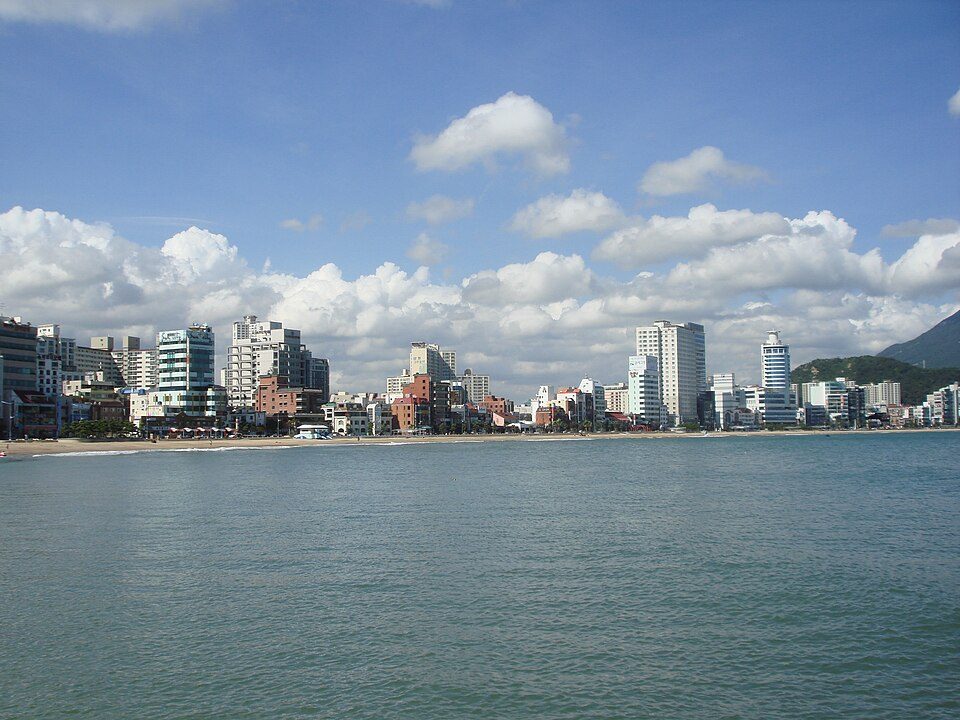
The Suyeo area has long been a region where fisheries thrived due to abundant aquatic resources. After the establishment of Gyeongsang Jwasuyeong during the Joseon Dynasty, the concentration of naval forces led to challenges in supplying food provisions. In response, the naval commanders allowed rotating naval soldiers to join local fishermen in fishing activities. By providing fishing vessels and contributing navigation skills and labor, the naval forces and local fishermen jointly drove the development of regional fisheries. As catch volumes increased, the supply of food provisions for the naval forces also became more stable. In the 11th year of King Hyeonjong’s reign (1670), a fishery workshop (Eobang) was established within the fortress to promote and advance fisheries through technical guidance. The “Jwasuyeong Eobang Noli,” which transformed the traditional fishing process into a playful performance, is now designated as a National Intangible Cultural Heritage and is preserved and passed down. The Gwangalli Eobang Festival adopts the name “Eobang” to honor this heritage, and it stands as Busan’s premier festival centered on the folk culture of Gyeongsang Jwasuyeong and traditional fishing villages.
Event information source: Korea Tourism Organization (TourAPI)
Getting there
Suyeonggang River area / Suyeong Historic Park (Suyeong-dong, Suyeong-gu)